Empowering Mahila Arogya Samitis Members for Community-Led Childhood Diarrhoea Prevention
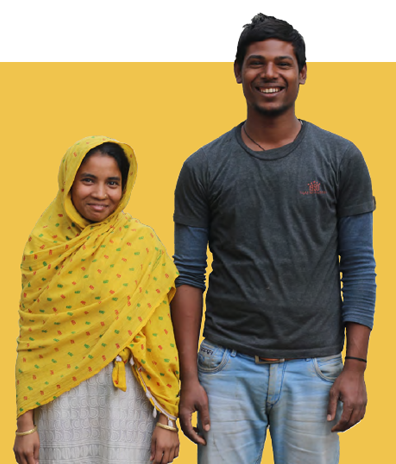
Earlier, many families in our community depended on home remedies and delayed treatment for diarrhoea. After the training, we now confidently guide mothers on ORS preparation, zinc use, hygiene practices, and when to seek medical help. This knowledge has helped me and my samiti members to serve our community better and protect children from severe illness".
To strengthen community-level efforts for childhood diarrhoea prevention and management, the Diarrhoea Se Dar Nahi team collaborated closely with the health department and Urban Primary Health Centres (UPHCs) to roll out a structured capacity-building programme for MAS. Recognising the critical leadership role played by MAS Presidents and Secretaries in conducting meetings, facilitating community discussions, and mobilising local action, the programme prioritised their training so they could further cascade learnings among other MAS members.
The training modules were developed in consultation with government stakeholders to ensure that the sessions remained simple, practical, and responsive to community needs. Beyond technical knowledge on childhood diarrhoea prevention and management, the trainings also focused on strengthening communication and counselling skills to help MAS members effectively promote behaviour change at the grassroots level.
The sessions adopted an interactive and participatory approach, creating a platform where MAS members could openly discuss challenges, ask questions, and clarify misconceptions related to childhood diarrhoea. This approach not only improved their understanding but also strengthened their confidence to engage with families in their communities.
Key areas covered during the trainings included understanding diarrhoea and its causes, preventive behaviours such as safe water, sanitation, hygiene, and handwashing, identification of dehydration and danger signs in children, correct preparation and use of ORS through live demonstrations, importance and dosage of zinc supplementation, and addressing myths and misconceptions related to diarrhoea treatment. MAS members were also oriented on their role in community awareness generation, early identification of cases, timely referrals, and promoting treatment-seeking behaviours.
To make the sessions engaging and easy to understand, IEC materials developed under Diarrhoea Se Dar Nahi, including leaflets and snake-and-ladder games, were used to simplify key health messages. At the end of the training sessions, MAS members pledged to discuss diarrhoea prevention during regular meetings, spread awareness within their communities, support referrals of affected children, and coordinate closely with ASHAs for timely action.
The initiative successfully trained 4,524 MAS members across intervention districts, significantly strengthening community-level efforts for childhood diarrhoea prevention and management. By investing in women-led grassroots platforms, the initiative has contributed to building sustainable community ownership around child health and preventive healthcare practices. The strengthened MAS network is expected to continue supporting positive health behaviours and child health interventions well beyond the project period, creating a stronger and more resilient community response to childhood diarrhoea in urban slums and underserved localities.